 Continue reading →: Why Gardening Later in Life May Be Key for Cognitive Longevity
Gardening belongs in the brain-health conversation. It’s more than just light exercise and eating vegetables. It’s layered biology: movement, daylight, sensory load, purpose, social contact, and…dirt. That last piece matters because soil is a microbial super-ecosystem. Re-exposure to these “old friends” appears to train immune tolerance, calm background inflammation, and…

 Continue reading →: Loss of Smell and Dementia Risk: Are Viruses the Missing Link?
The loss of smell precedes severe cognitive issues by years in over 90% of patients with Alzheimer’s disease. Is a viral component of dementia quite literally right under our noses? Before memory slips, the nose often signals trouble. Loss of smell is one of the earliest flags in Alzheimer’s disease,…
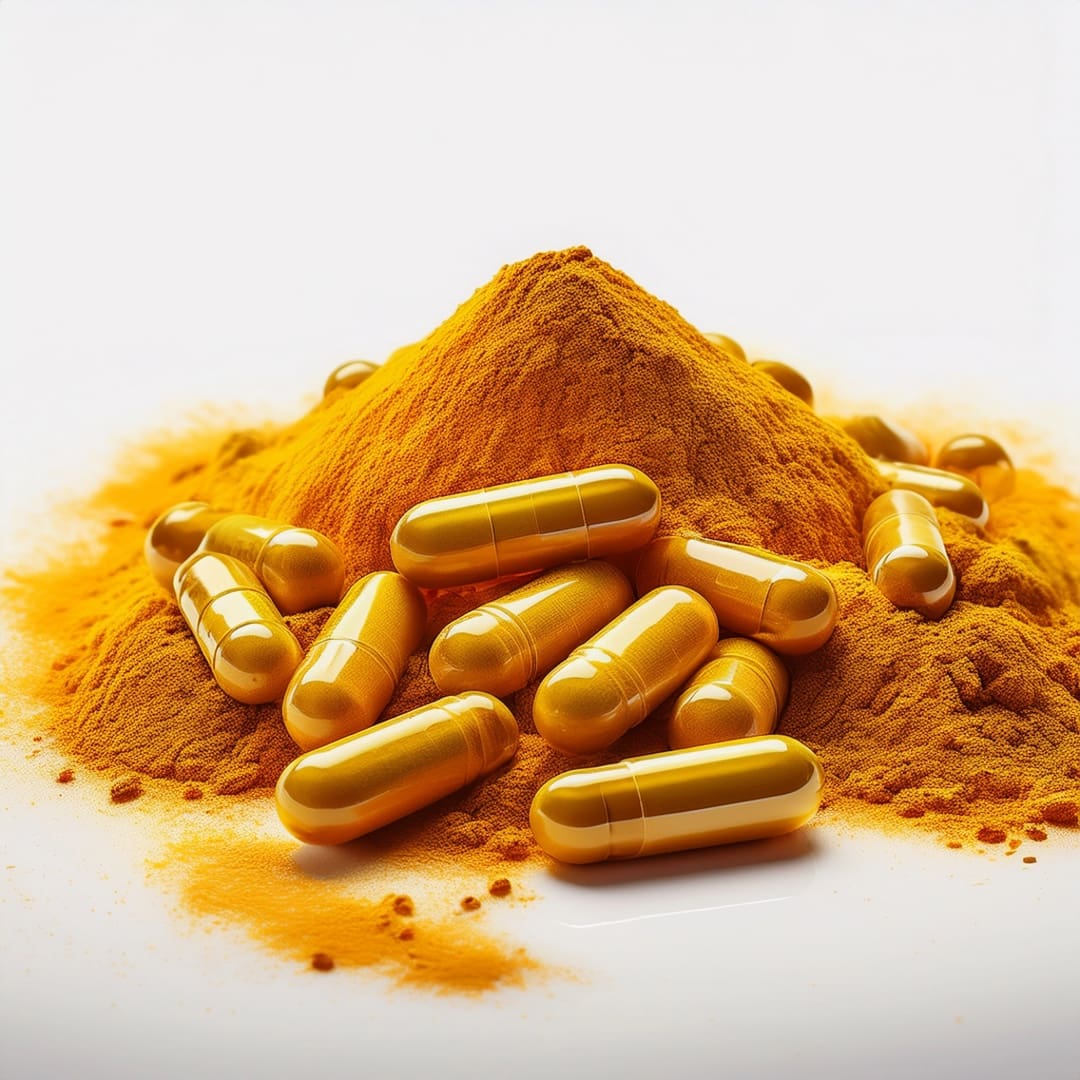 Continue reading →: Quit With The Turmeric Supplements Already
Supplements are meant to plug real gaps—iron if you’re anemic, B-12 if you’re vegan. You do not have a turmeric deficiency. TL;DR Version (Too Long, Didn’t Read)Turmeric belongs in curry, not a megadose capsule: the clinical wins are flimsy, absorption is awful, and the downside now spans drug interactions, documented liver injuries,…
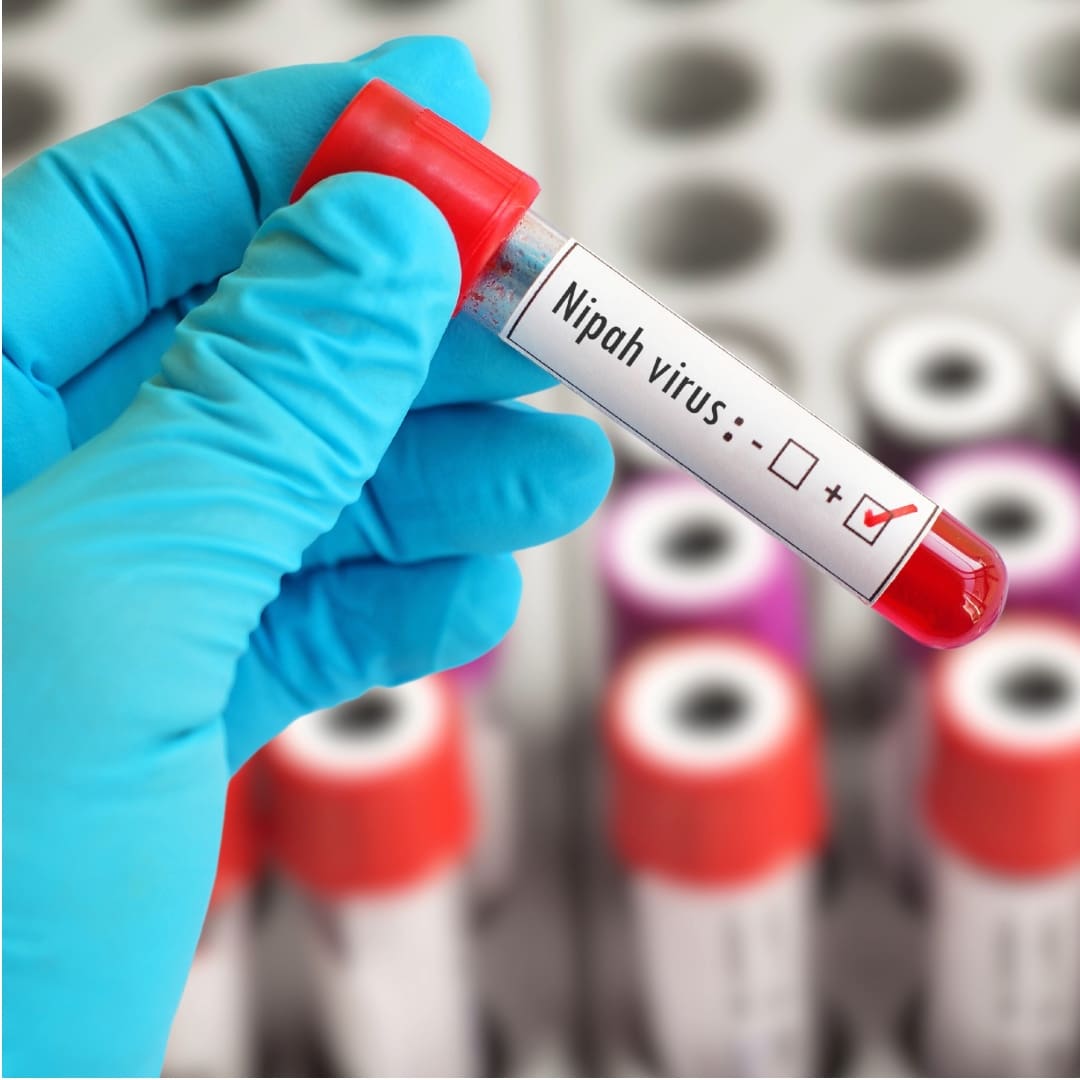 Continue reading →: Nipah Virus: The Deadly Virus You’ve (Probably) Never Heard Of — But Should Know About
Fatality Rate Up to 70%. No Cure. No Vaccine. Here’s Why It Matters. I know—you’re tired of hearing about viruses. After years of living through COVID, and the endless politicization of…everything really, the idea of another viral threat might feel like fearmongering. But some viruses deserve your attention, and Nipah virus…
 Continue reading →: Your Brain Already Knows How to Detox Itself. You Just Keep Getting in the Way.
A neuroscientist explains the glymphatic system; evolution’s answer to brain waste that no supplement can replicate The wellness industry desperately wants to sell you a brain detox. Activated charcoal smoothies. Heavy metal cleanses. Infrared sauna sessions. The promises are seductive: flush toxins from your brain, restore mental clarity, prevent cognitive…

 Continue reading →: Pesticides Are Shrinking Children’s Brains And No One Seems To Care
The Science Rabbit Newsletter | Professor Andrew Bubak In August 2025, a study in JAMA Neurology showed that children exposed to the pesticide chlorpyrifos before birth had visible brain abnormalities on MRI scans; altered cortical thickness, damaged nerve insulation, reduced blood flow (1). These weren’t subtle statistical blips. They were…
 Continue reading →: Exercise Makes You Smarter—Literally. Here’s What Growing New Brain Cells Feels Like.
Everyone knows that exercise is good for you. But I don’t think people really understand the mechanisms behind it, specifically the neurological mechanisms. This makes sense given the cesspool of misinformation you will see on social media with influencers trying to sell you brain-boosting pills containing jelly-fish protein (I’m not…
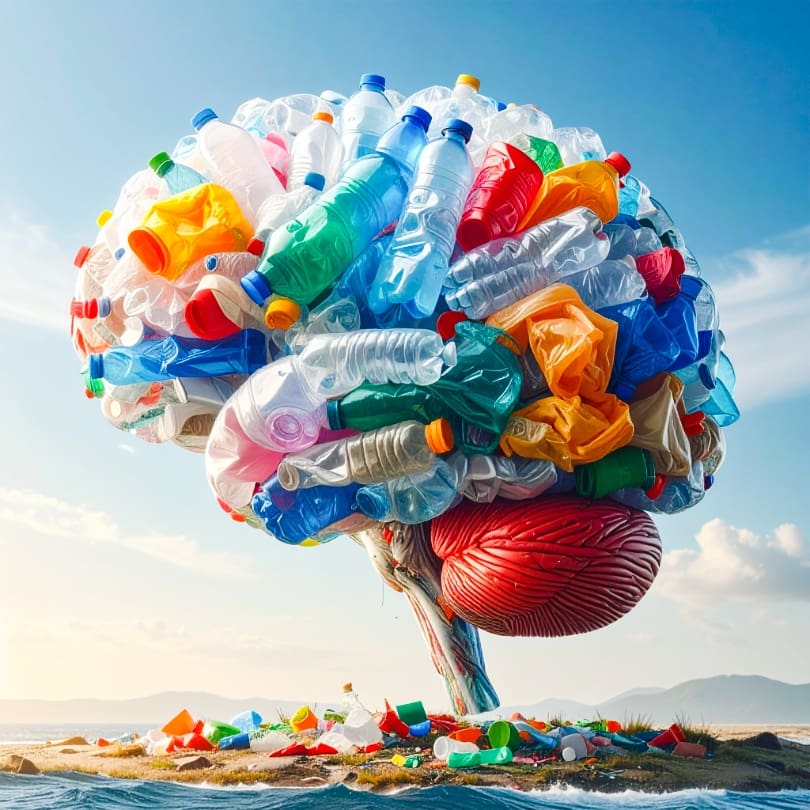
 Continue reading →: Your Brain Contains a Spoonful of Plastic. Here’s Why I’m Concerned But Not Panicked.
A while ago my colleague showed me an image from a recent study: a human brain from a recent autopsy, sprinkled with colorful spots under electron microscopy. Those spots? Microplastics. Not trace amounts. Not barely detectable levels. Nearly half a percent of the brain’s weight, roughly equivalent to a small plastic spoon dissolved throughout…
 Continue reading →: The Real Science Behind GLP-1 Drugs: What Ozempic Actually Does to Your Brain
A neuroscientist’s deep dive into how these medications rewire neural circuits, reshape reward pathways, and may protect against dementia. In 2024, Harvard researchers published findings that sent shockwaves through the medical community: patients taking semaglutide (Ozempic) faced a 4 to 7-fold increased risk of sudden, irreversible vision loss from a…
 Continue reading →: Cardio is Cognition
You don’t need a neuroscience degree to notice that after a hard run or cardio exercise, the world sharpens. Words come quicker, worries get quieter, and ideas click. That’s not placebo, that’s biology. Cardio does more than help your heart and lungs; it tunes your brain. It boosts focus, lifts…

 Continue reading →: Why are women twice as likely to get Alzheimer’s disease?
Alzheimer’s disease is the most common form of dementia, affecting millions worldwide. Notably, women bear a disproportionate burden, with approximately two-thirds of individuals diagnosed with Alzheimer’s disease being female1, 2. While this discrepancy was once attributed primarily to women’s longer life expectancy, emerging research suggests a more complex interplay of…

 Continue reading →: Manuka Honey: Traditional Uses and Modern Science
Manuka honey, derived from the Manuka tree in New Zealand and Australia, is noted for its health benefits, particularly its antibacterial, antifungal, and antiviral properties. Historically used by Māori for healing, modern studies validate its efficacy, particularly against antibiotic-resistant bacteria. Its distinct chemical composition enhances wound healing and therapeutic potential.
 Continue reading →: Wildfire Smoke, Aspirin to Treat Colon Cancer, & Nerves that Feed Tumors – Weekly Research Roundup
As always, we spotlight peer-reviewed research and public-health guidance from top journals and agencies. Many of these advances—especially vaccines, prevention, and diagnostics—are powered by sustained public funding (often including NIH grants). Translation to everyday care takes time; nothing here is medical advice. Talk to your clinician before changing meds, supplements, or treatment plans. 🔥 The hidden…
 Continue reading →: Pollution, Dementia, Sugar, and LSD – This Week in Science
Science moves forward in careful steps. These highlights are peer-reviewed (or large platform trials) and many involve public/NIH funding, but most still need replication, longer follow-up or phase-3 confirmation. The through-line this week: practical wins (home blood pressure care, RSV vaccine benefits) alongside bold ideas (diet-plus-therapy for Glioblastoma, immune-evasive cell therapies, and LSD…
 Continue reading →: From Brain Cycles to Flu Forecasts — The Week’s NIH-Backed Findings
These highlights come from peer-reviewed studies and major medical meetings. Many such advances, especially in neuroscience and public health, are powered by sustained, competitive grants from agencies like the NIH, which support the long, careful work behind “overnight” breakthroughs. Keeping that pipeline strong matters for all of us. 🧠 Moderate–severe TBI…
 Continue reading →: Fund Science, Save Memory: NIH-Fueled Findings This Week
From a common parasite nudging memory circuits to the brain’s aging “plumbing,” early hearing care, an energy boost for neurons, and microglia swaps inching toward the clinic, this week’s papers show how prevention, biology, and engineering meet to protect the brain. We also highlight a faster way to test genes…
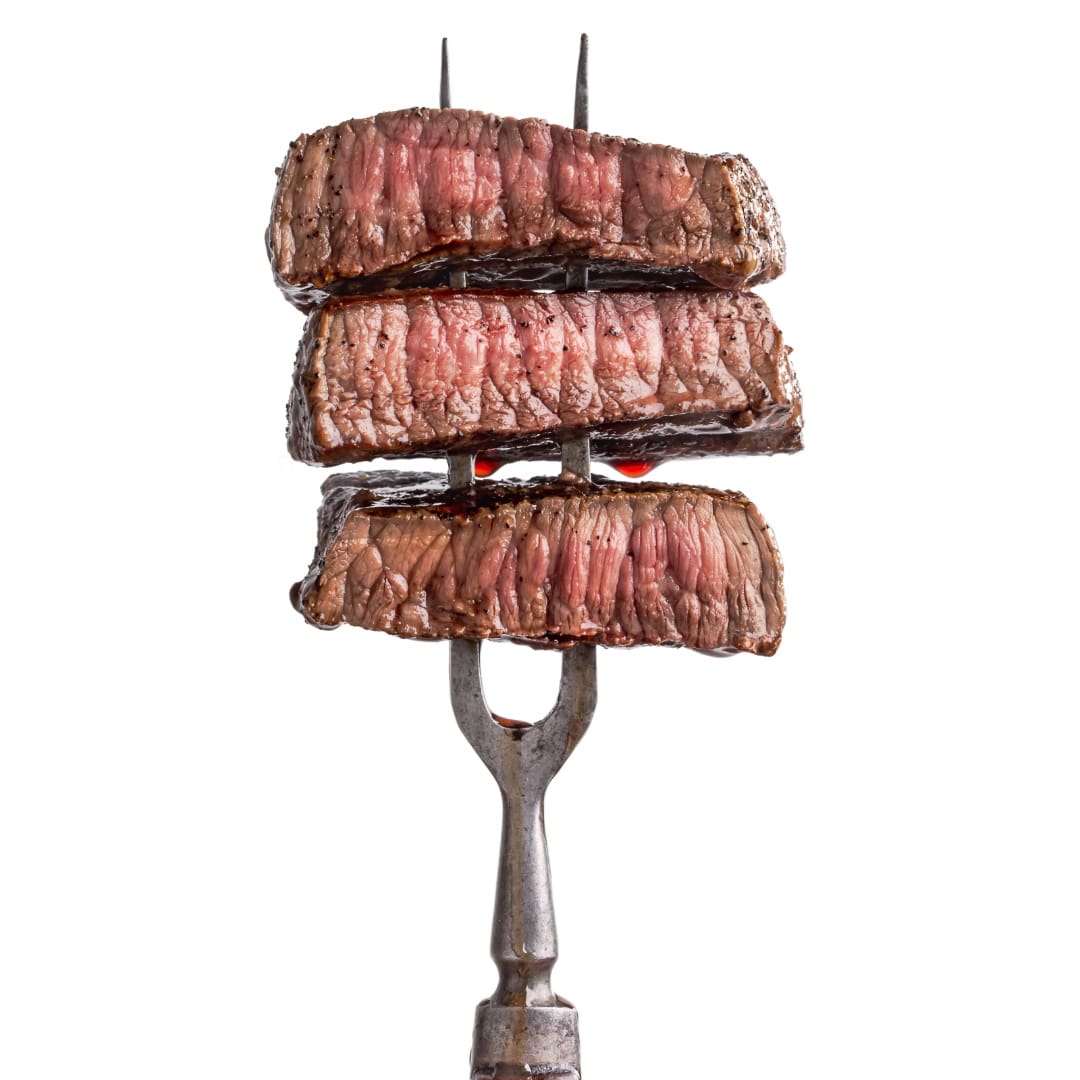 Continue reading →: Grass-Fed Beef Is Healthier… But How You Cook It May Matter Even More
Grass-fed and finished beef has become the go-to for health-conscious meat eaters. It’s leaner, richer in omega-3s, and often promoted as a more natural, nutrient-dense option. But here’s the twist: even the highest quality cut of beef can become harmful if cooked the wrong way. Let’s break down why your…
 Continue reading →: Weekly Research Round-Up: How Your Choices—and Policies—Shape Public Health
From the foods that help you age well to the warning signs of viral spillovers, this week’s studies hit hard on prevention, policy, and longevity. Whether it’s reducing unnecessary CT scans or protecting vaccination progress, the data speak clearly: evidence-based decisions save lives. 🥗 Want to Age Well? Long-Term Healthy Eating…
Evidence-Based, Always