
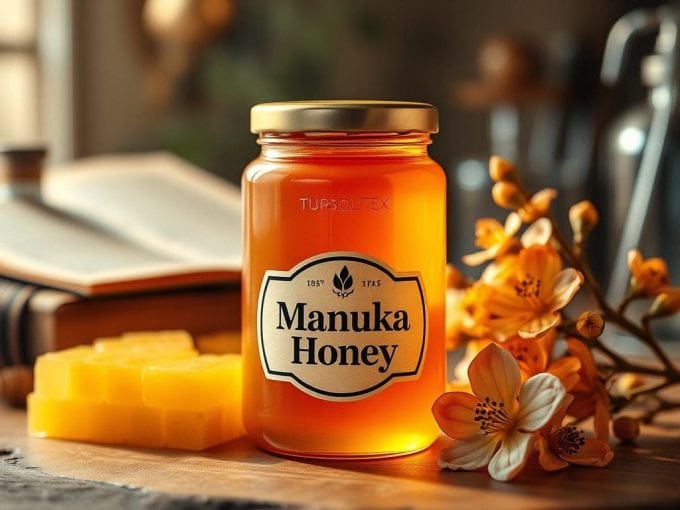
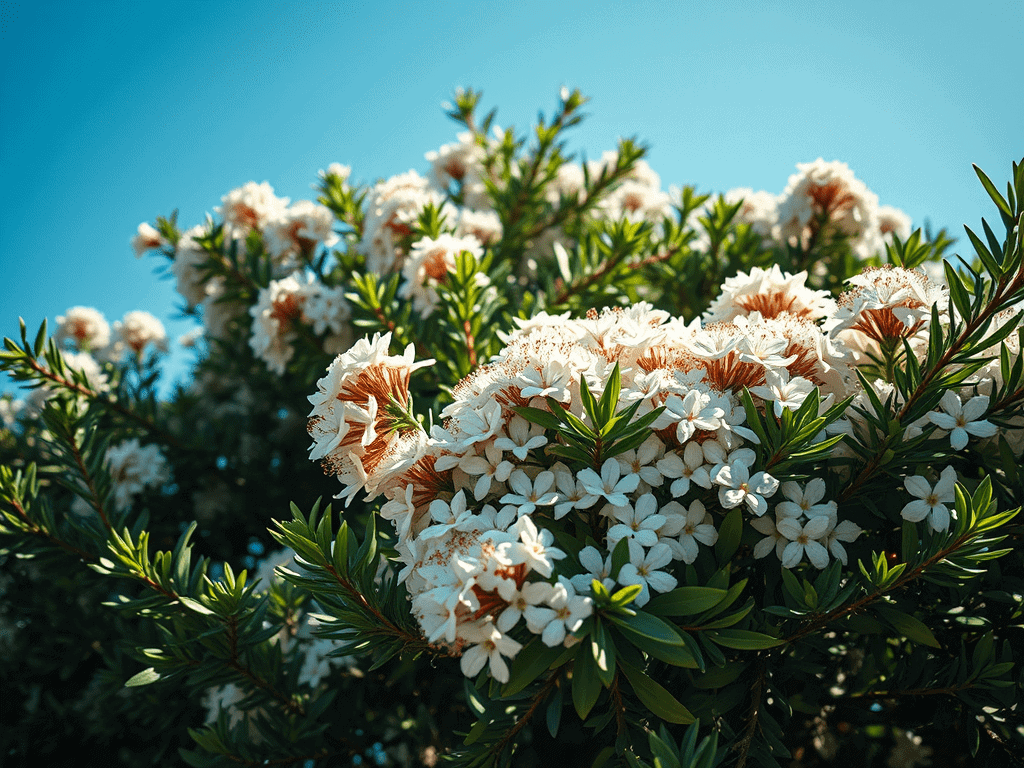
Manuka honey—exclusively harvested from the nectar of the Leptospermum scoparium (Manuka) shrub/tree native to New Zealand and Australia—has become a significant focus in health and wellness circles. Traditionally used by Māori communities to soothe wounds and enhance overall well-being, Manuka honey has gained international acclaim over the last few decades for its possible therapeutic applications.1 Modern research has offered a growing body of evidence that supports these traditional uses, highlighting powerful antibacterial, antifungal, and antiviral properties alongside its well-documented wound-healing benefits.
TLDR (Too Long, Didn’t Read) Version
Bridging Tradition and Modern Science: Manuka honey, traditionally used by Māori for wound care, is now validated by modern research for its therapeutic benefits.
Unique Chemical Profile: It boasts high levels of methylglyoxal (MGO), alongside hydrogen peroxide, antioxidants, and a low pH, which work together to combat pathogens.
Broad-Spectrum Antimicrobial Power: Studies show its effectiveness against bacteria (including antibiotic-resistant strains), certain viruses, and fungal infections, while also accelerating wound healing.
Quality & Future Potential: The UMF rating system guides potency assessment, though variability in composition and a need for larger trials call for cautious, continued research.
Central to the excitement surrounding Manuka honey is methylglyoxal (MGO), a naturally occurring compound present in notably higher concentrations than in most other types of honey.2 This compound, along with other natural enzymes and antioxidants, equips Manuka honey with a unique chemical profile that appears to combat various pathogens—even some strains known to resist conventional antibiotics.3 More on this below.
In an era marked by concerns over antibiotic resistance and a growing desire for holistic healthcare solutions, Manuka honey represents a fascinating bridge between time-tested traditions, anecdotal evidence, and cutting-edge science. This article will explore the honey’s characteristics, its bioactive compounds, and the research behind its antibacterial, antifungal, antiviral, and wound-healing properties. By the end, you’ll have a clearer understanding of why Manuka honey has transitioned from a local remedy to a topic of global scientific interest.
What Is Manuka Honey?
Manuka honey is produced by bees that pollinate the Manuka bush, which primarily thrives in New Zealand’s unique ecosystem. While all honeys may have some inherent antimicrobial properties—often attributed to their low water content, acidity, and the presence of hydrogen peroxide—Manuka honey distinguishes itself by harboring significantly higher levels of methylglyoxal (MGO).4
Unique Manuka Factor (UMF)
To help consumers and researchers gauge Manuka honey’s therapeutic potential, the Unique Manuka Factor (UMF) rating system was created. This rating, usually displayed on product labels, measures the concentration of MGO and other chemical markers linked to antimicrobial effects. While a higher UMF rating typically indicates a greater level of bioactive compounds, making it potentially more potent in clinical or home remedies1, there are some discrepancies with this. Some studies found that lower UMF levels were actually more potent against certain strains of bacteria.5 I’ll go into more details on this below and the importance of compound interactions.
Tradition Meets Modern Science
Historically, Māori communities applied raw Manuka honey to minor wounds and skin irritations. Today, thanks to rigorous scientific studies and improved lab techniques, researchers can pinpoint the specific components that make Manuka honey such a compelling agent for health. This collaboration between tradition and modern science reinforces how a natural product, once considered purely “alternative,” can gain support from peer-reviewed evidence.
Chemical Composition and Bioactive Compounds.
The remarkable properties of Manuka honey are anchored in its rich chemical composition. Although each component plays a unique role, a few stand out:
- Methylglyoxal (MGO): As the primary antimicrobial constituent in Manuka honey, MGO disrupts various microbial processes, including enzyme function and cell replication.2 That being said, it appears that MGO requires interactions with other components found in the honey to assert the beneficial effects. Studies have found that MGO alone does not have potent antimicrobial actions but rather a synergistic interaction with other honey compounds (such as those below) is required.6
- Hydrogen Peroxide: While present in many honeys due to the enzyme glucose oxidase, hydrogen peroxide in Manuka honey often works in synergy with MGO. Together, they create an inhospitable environment for harmful microorganisms by attacking cell walls and disrupting biofilm formation.7
- Polyphenols and Flavonoids: During an infection, your body can produce free radicals, a type of reactive oxygen species. These unstable, highly reactive molecules can damage cellular DNA, proteins, and membranes. Although they are normally neutralized by antioxidants, if free radicals outnumber antioxidants for prolonged periods, oxidative stress occurs, potentially leading to cell and tissue damage and chronic inflammation. Polyphenols and flavonoids are antioxidants which aid in reducing this inflammation, overall promoting infection management and healing.4
- Low pH: Honey generally has a pH ranging from about 3.2 to 4.5, and Manuka honey is no exception. This acidic environment limits microbial survival, adding another layer of antibacterial defense.1
Convergence of Factors
What makes Manuka honey especially potent is the synergy between these compounds. MGO, hydrogen peroxide, antioxidants, and the honey’s intrinsic acidity form a powerful combination. This multi-pronged approach contributes to Manuka honey’s robust action against various pathogens, highlighting its potential as both a stand-alone and complementary therapeutic tool in modern medicine.
Anti-Bacterial Properties.
One of the most well-documented aspects of Manuka honey’s efficacy is its antibacterial power. Studies have repeatedly demonstrated its ability to inhibit both Gram-positive bacteria (e.g., Staphylococcus aureus) and Gram-negative bacteria (e.g., Escherichia coli), the latter of which can often be more challenging due to tougher outer membranes.1,8
Tackling Antibiotic-Resistant Strains
Of particular note is Manuka honey’s reported effectiveness against certain antibiotic-resistant strains such as Methicillin-resistant Staphylococcus aureus (MRSA).1 This is a significant finding, as antibiotic resistance remains a growing global health concern. Importantly, the difference in mechanisms of action to antibiotics may reduce the likelihood that bacteria can develop resistance in the same way they do to conventional drugs.
Mechanisms of Action
- Cell Membrane Disruption: MGO and other active components can damage the structural integrity of bacterial cell membranes.
- Inhibition of Biofilm Formation: By interfering with bacterial communication (quorum sensing), Manuka honey reduces the formation of biofilms, which are protective layers that shield bacteria from antibiotics and the host immune system.
- Osmotic Effect: Like all honeys, Manuka honey’s high sugar content draws out water from bacterial cells, dehydrating them.
Study highlight: A 2019 study examined the antibacterial activity of Manuka honey with varying UMF grades against a range of multi-drug resistant and drug-susceptible bacterial strains. The researchers tested Manuka honey with UMF values of 5+, 10+, and 15+ against 128 isolates from wound cultures. They found that Manuka honey exhibited antimicrobial activity against the spectrum of organisms, including those with multi-drug resistance. Interestingly, lower UMF values demonstrated increased antimicrobial activity in their limited sampling. The study reported minimum inhibitory concentration (MIC) values for different bacterial groups, showing more potent activity against gram-positive bacteria (Staphylococcus) compared to gram-negative (E. coli) bacteria.5
Through these mechanisms, Manuka honey demonstrates broad-spectrum antibacterial power, making it a potentially valuable ally for modern medicine—especially as researchers and healthcare providers seek new ways to combat drug-resistant infections. Combining Manuka honey with antibiotics can be an even more powerful tool in the fight against resistant strains.9
Anti-Viral Effects.
While research on Manuka honey’s antiviral properties is less abundant than its antibacterial studies, some evidence suggests it may be effective against certain viruses such as influenza and herpesviruses.10-11 The effects appear to be best when combined with traditional antiviral drugs but much more research is needed to certify these claims.10
Potential Mechanisms
- Interference with Viral Attachment: Manuka honey might block the virus’s ability to adhere to or penetrate host cells.
- Inhibition of Viral Replication: Certain enzymes in Manuka honey may disrupt the viral life cycle, reducing replication rates.10
Although preliminary, these findings open the door for additional research into whether Manuka honey could complement or enhance existing antiviral treatments. Given the virus’s widespread prevalence and the discomfort it causes, even small improvements in management can significantly benefit public health and individual well-being.
Wound-Healing Properties.
One of the main historical uses of honey—particularly in ancient and indigenous medicine—has been wound care for both humans and animals. In the modern era, Manuka honey has attracted attention for its ability not only to inhibit bacterial growth, which is a main component of wound-healing, but also to accelerate the natural healing process.12
Why Honey Is Effective for Wounds
- Antimicrobial Protection: By killing or inhibiting the bacteria that commonly infect wounds through mechanisms described above, Manuka honey lowers the risk of complications.
- Anti-Inflammatory Effects: Chronic inflammation can slow healing and prolong discomfort. The antioxidants and bioactive compounds in Manuka honey appear to reduce inflammation, promoting faster recovery.7
- Moist Wound Environment: Honey maintains a moist, protective barrier that supports tissue regeneration. Unlike some dressings, Manuka honey helps keep the wound site hydrated without creating an environment conducive to bacterial growth.
Study highlights: A 2021 study tested Manuka honey application on hard-to-heal wounds on the face and jaw of 15 patients. The results were impressive: Within the first week, all wounds stopped oozing pus. By the end of the fourth week, wounds had almost completely closed up, with the average wound depth shrinking from about 6 mm to less than 1 mm. These findings show that Manuka honey is effective at helping new tissue grow, reducing inflammation, and cleaning out dead tissue. The study’s results were strong enough to be considered scientifically meaningful, suggesting that Manuka honey could be a powerful tool for treating stubborn wounds.13
In a separate 2001 case report, doctors used Manuka honey dressings to successfully heal a 3-year non-healing wound caused by Hidradenitis Suppurativa (a chronic skin condition). Despite not responding to usual treatments, the wound began to improve quickly once Manuka honey was applied regularly and eventually healed completely in around 4 months. The researchers point to honey’s antibacterial powers (even against some antibiotic-resistant bacteria) and its ability to maintain a moist, protective environment for the wound.14
Manuka honey dressings have been used in treating burns, diabetic ulcers, and surgical incisions with promising outcomes, including reduced infection rates and faster closure of wounds.1 While not a cure-all, it can serve as a valuable adjunct in wound management protocols, particularly in settings where antibiotic resistance or intolerance to conventional antiseptics poses a challenge.
Anti-Fungal Properties.
Fungal infections can range from mild to life-threatening, depending on the pathogen and a person’s immune status. Candida species, for example, are common fungal pathogens responsible for issues like oral thrush and vaginal yeast infections. Studies have found that Manuka honey exhibits anti-fungal activity against certain Candida strains, inhibiting their adhesion and growth.15-16 However, it is important to note that Manuka honey may be less effective than other types of honey at inhibiting fungal infections caused by dermatophytes (ringworm, athletes foot, and jock itch).16 More studies are need to definitively assess Manuka honey’s anti-fungal properties.
Additional Health Benefits.
Beyond its antimicrobial and wound-healing applications, Manuka honey is also being explored for other potential health benefits:
- Digestive Support: Preliminary studies suggest that Manuka honey’s antibacterial properties may help manage gut imbalances, such as those caused by Helicobacter pylori.17
- Oral Health: Some dentists recommend honey-based lozenges for oral hygiene, as the honey can fight mouth bacteria responsible for plaque and gingivitis—though careful attention to sugar content is still required.
- Anti-Inflammatory Action: Chronic inflammation is linked to numerous health issues, from arthritis to heart disease. The antioxidants in Manuka honey might help mitigate some aspects of systemic inflammation, though more research is needed to draw firm conclusions.
While these areas show promise, most studies remain in preliminary or pilot phases. Consumers interested in leveraging these benefits should keep an eye out for larger-scale clinical trials that can offer definitive guidance.
Practical Considerations.
Selecting Quality Manuka Honey
Because Manuka honey can vary in potency and quality, looking for UMF (Unique Manuka Factor) or MGO ratings and certified harvesting is crucial. Products labeled “UMF 10+” or “MGO 250+” and above are generally considered medicinal grade.4 However, as mentioned earlier, the UMF rating is not necessarily correlated with increased antimicrobial benefits yet these typically come at much higher prices.
Safe Usage Tips
- Allergies: Individuals allergic to bee products should exercise caution and consider consulting a healthcare professional before use.
- Diabetic Considerations: Honey, including Manuka, is high in sugar. While its glycemic impact can sometimes be lower than refined sugar, people with diabetes should monitor blood sugar levels if incorporating honey into their diet.
- Topical vs. Oral: Clinical studies often focus on topical applications—especially for wound care. Oral ingestion may offer antibacterial benefits in the mouth or throat, but more research is needed to confirm benefits within the broader digestive tract.
When used responsibly, Manuka honey is generally safe for adults. However, as with any natural supplement, consulting a healthcare provider is advisable, especially for those with underlying conditions or those using it for specific medical purposes.
Limitations of Current Research and Future Directions.
Although the evidence supporting Manuka honey’s antimicrobial (bacterial specifically) and wound-healing effects is compelling, limitations remain:
- Variability in Honey Composition: Manuka honey can vary based on factors like region, climate, and processing methods. Standardization is key for consistent clinical use.
- In Vitro vs. In Vivo Studies: Many findings come from laboratory experiments. While informative, these don’t always translate directly to real-world patient outcomes.
- Lack of Large-Scale Clinical Trials: Although several smaller studies show positive results, larger and more rigorous clinical trials would provide stronger validation for Manuka honey’s therapeutic claims.
Future research might delve into multi-target applications, such as combining Manuka honey with modern drugs to combat antibiotic-resistant infections. Investigations into its antiviral properties and anti-inflammatory effects also hold promise for expanding the honey’s range of clinical uses.
Takeaway.
From a folk remedy to a subject of rigorous scientific investigation, Manuka honey has earned its reputation as a versatile ally in healthcare. Its unique combination of bioactive compounds—including MGO, hydrogen peroxide, antioxidants, and a naturally low pH—works in harmony to counteract bacteria, fungi, and even some viruses. Additionally, Manuka honey’s established record in wound care highlights its capacity for reducing infection rates while promoting tissue repair.
As research evolves, we’re gaining clearer insight into how this special honey might fit into comprehensive treatment plans—whether for antibiotic-resistant infections, minor fungal issues, or supportive care in wound management. While not a cure-all, Manuka honey’s transition from an alternative remedy to a scientifically recognized therapeutic agent underscores the vital intersection between nature-based solutions and modern medical innovation.
About the author:
Dr. Andrew Bubak (PhD, MS) is a Professor of Neurology and Neurovirologist. He has discovered and published multiple new mechanisms in which pathogens evade the immune system as well as developed new anti-viral therapeutics. Dr. Bubak is not a physician and thus this article should not be considered medical advise.
References
- Carter, D. A., Blair, S. E., Cokcetin, N. N., Bouzo, D., Brooks, P., Schlothauer, R. C., & Harry, E. J. (2016). Therapeutic Manuka honey: No longer so alternative. Frontiers in Microbiology, 7, 569.
- Mavric, E., Wittmann, S., Barth, G., & Henle, T. (2008). Identification and quantification of methylglyoxal as the dominant antibacterial constituent of Manuka (Leptospermum scoparium) honeys from New Zealand. Molecular Nutrition & Food Research, 52(4), 483–489.
- Adams, C. J., Manley-Harris, M., & Molan, P. C. (2009). The origin of methylglyoxal in New Zealand manuka (Leptospermum scoparium) honey. Carbohydrate Research, 344(8), 1050–1053.
- Kato, Y., Fujinaka, R., Ishisaka, A., Nitta, Y., Kitamoto, N., & Takimoto, Y. (2012). Plausible authentication of Manuka honey and related products by measuring leptosperin with methyl syringate. Journal of Agricultural and Food Chemistry, 60(29), 7221–7227.
- Girma, A., Seo, W., & She, R. C. (2019). Antibacterial activity of varying UMF-graded Manuka honeys. PloS one, 14(10), e0224495.
- Lu, J., Turnbull, L., Burke, C. M., Liu, M., Carter, D. A., Schlothauer, R. C., et al. (2014). Manuka-type honeys can eradicate biofilms produced by Staphylococcus aureus strains with different biofilm-forming abilities. PeerJ 2:e326. doi: 10.7717/peerj.326
- Jenkins, R., Burton, N., & Cooper, R. (2014). Proteomic and genomic analysis of Manuka honey induced cell death in Bacillus subtilis reveals a role for H₂O₂ in the antibacterial action of Manuka honey. Frontiers in Microbiology, 5, 558.
- Allen, K. L., Molan, P. C., & Reid, G. M. (1991). A survey of the antibacterial activity of some New Zealand honeys. Journal of Pharmacy and Pharmacology, 43(12), 817–822.
- Liu, M., Lu, J., Müller, P., Turnbull, L., Burke, C. M., Schlothauer, R. C., … & Harry, E. J. (2015). Antibiotic-specific differences in the response of Staphylococcus aureus to treatment with antimicrobials combined with manuka honey. Frontiers in microbiology, 5, 779.
- Watanabe, K., Rahmasari, R., Matsunaga, A., Haruyama, T., & Kobayashi, N. (2014). Anti-influenza viral effects of honey in vitro: potent high activity of manuka honey. Archives of medical research, 45(5), 359-365.
- Shahzad, A., & Cohrs, R. J. (2012). In vitro antiviral activity of honey against varicella zoster virus (VZV): A translational medicine study for potential remedy for shingles. Translational biomedicine, 3(2).
- Molan, P. C. (2002). The role of honey in the management of wounds. Journal of Wound Care, 11(9), 353–356.
- Kapoor, N., & Yadav, R. (2021). Manuka honey: A promising wound dressing material for the chronic nonhealing discharging wounds: A retrospective study. National journal of maxillofacial surgery, 12(2), 233-237.
- Cooper, R., Molan, P., Krishnamoorthy, L., & Harding, K. (2001). Manuka honey used to heal a recalcitrant surgical wound. European Journal of Clinical Microbiology and Infectious Diseases, 20(10), 758.
- Irish, J., Carter, D. A., Shokohi, T., & Blair, S. E. (2006). Honey has an antifungal effect against Candida species. Medical Mycology, 44(3), 289–291.
- Anand, S., Deighton, M., Livanos, G., Pang, E. C. K., & Mantri, N. (2019). Agastache honey has superior antifungal activity in comparison with important commercial honeys. Scientific Reports, 9(1), 18197.
- Molan, P. C., & Brett, M. (1998). Honey has potential as a dressing for wounds infected with MRSA. Letters in Applied Microbiology, 27(1), 65–68.
Leave a Reply